THE 2025 HARVEST AT JUMILLA PDO:
VINEYARD’S SLOW RECOVERY AFTER THE DROUGHT, MAY HAILSTORM, AND AUGUST HEATWAVE
THE 2025 CAMPAIGN IN THE JUMILLA PDO HARVESTED NEARLY 49 MILLION KILOGRAMS OF GRAPES
A HIGH-QUALITY VINTAGE IS EXPECTED: WELL-BALANCED WINES WITH GOOD BODY, STRUCTURE, FLAVOR, AND FRUIT INTENSITY
The harvest data for the Jumilla PDO Regulatory Board has been finalized, following the relevant harvest declarations, with nearly 49 million kilos of grapes meeting the requirements of the Regulatory Board’s specifications. A slight increase of one million kilos compared to the previous season, following three years of extreme drought, marked the beginning of a recovery period for the vineyards, thanks to the much-needed spring rains.
The cycle began with a calm winter and a spring rich in rainfall. The vines, which had been depleted in previous years, regained some of their vigour. March was particularly favorable with continuous and abundant rains that restored balance to the vines.
The bad news came in May with episodes of hail, the one on May 10th being especially severe, which caused damage to a large part of the vineyards located in the southeast of the Jumilla Protected Designation of Origin, affecting more than 4,700 hectares.
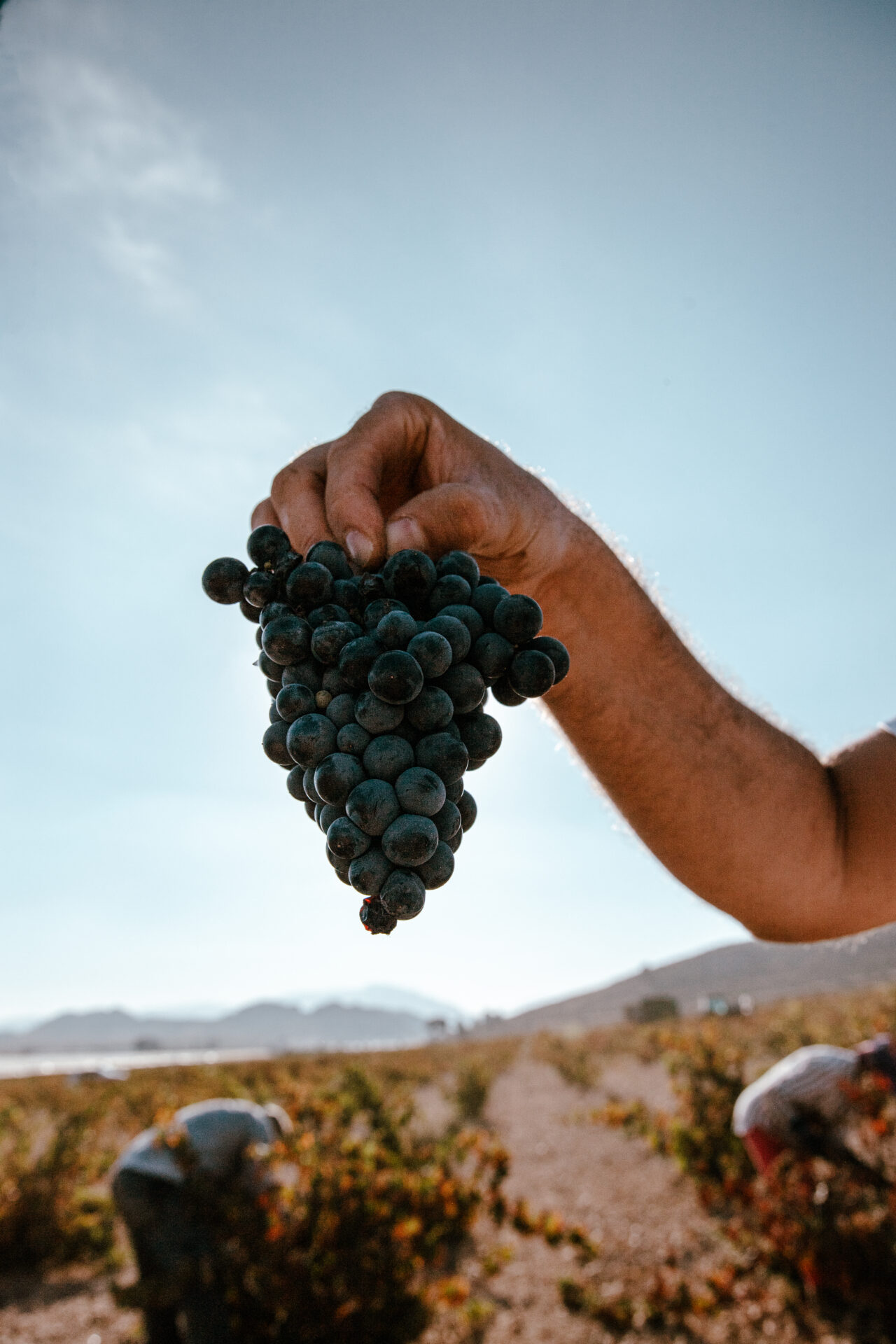
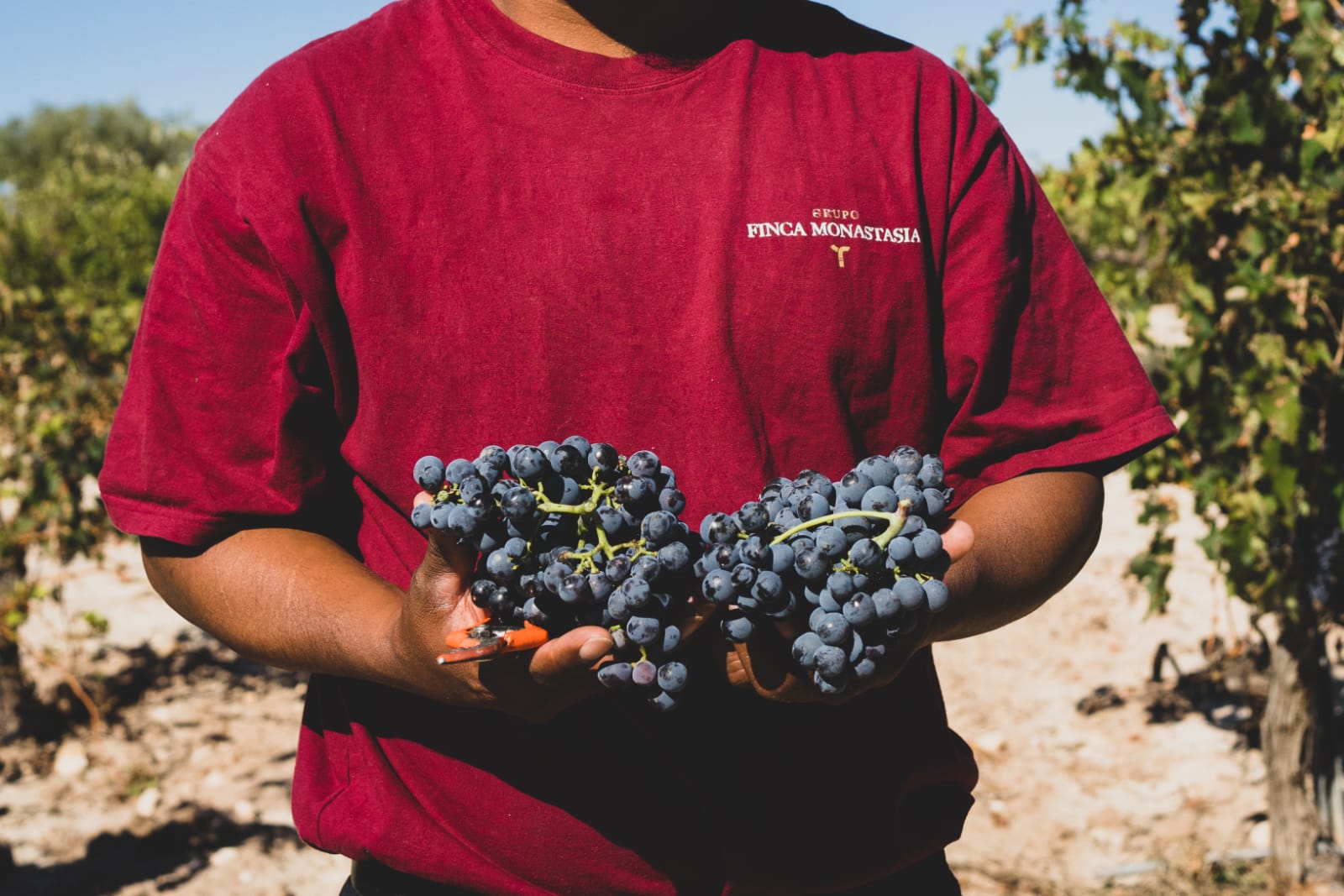
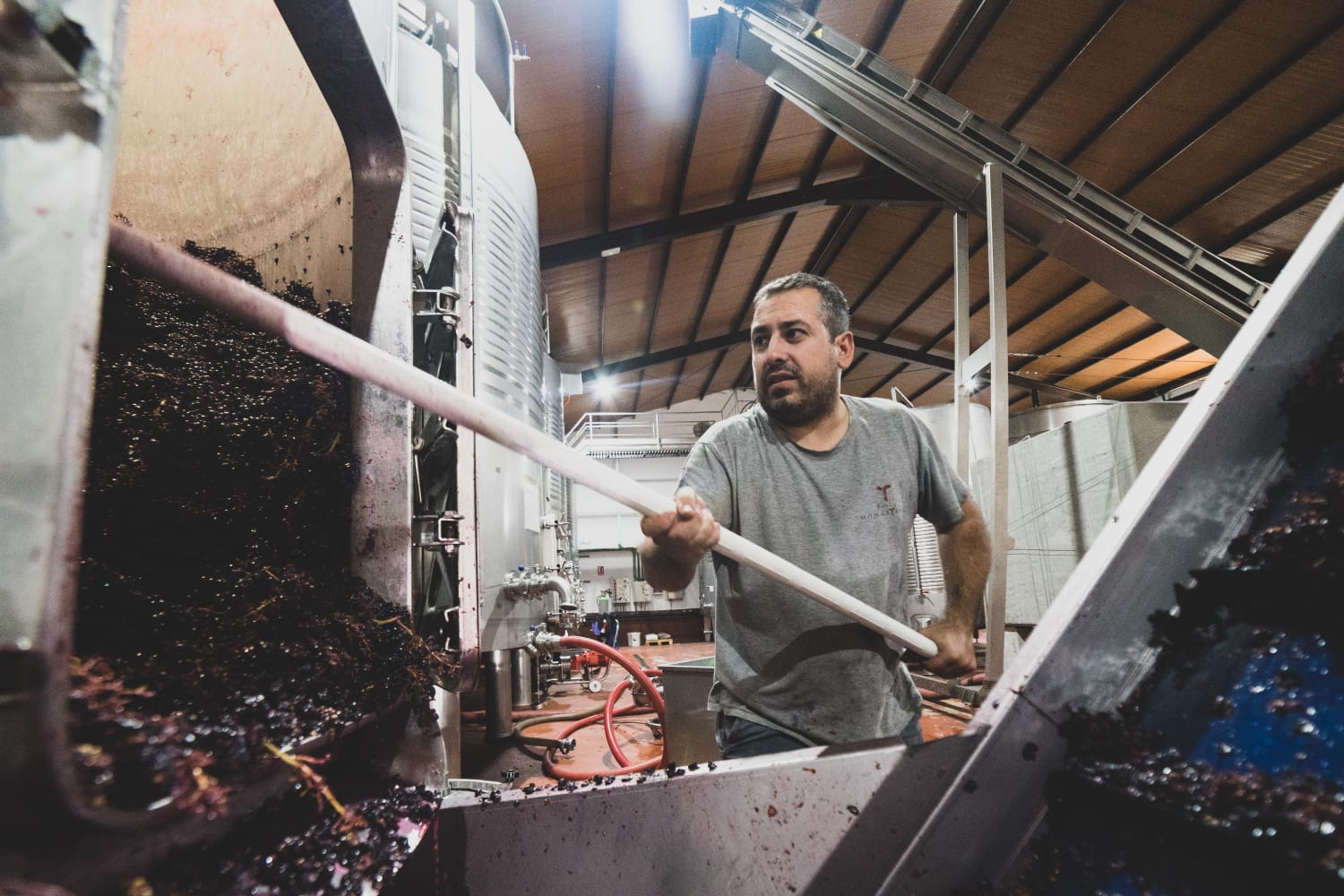
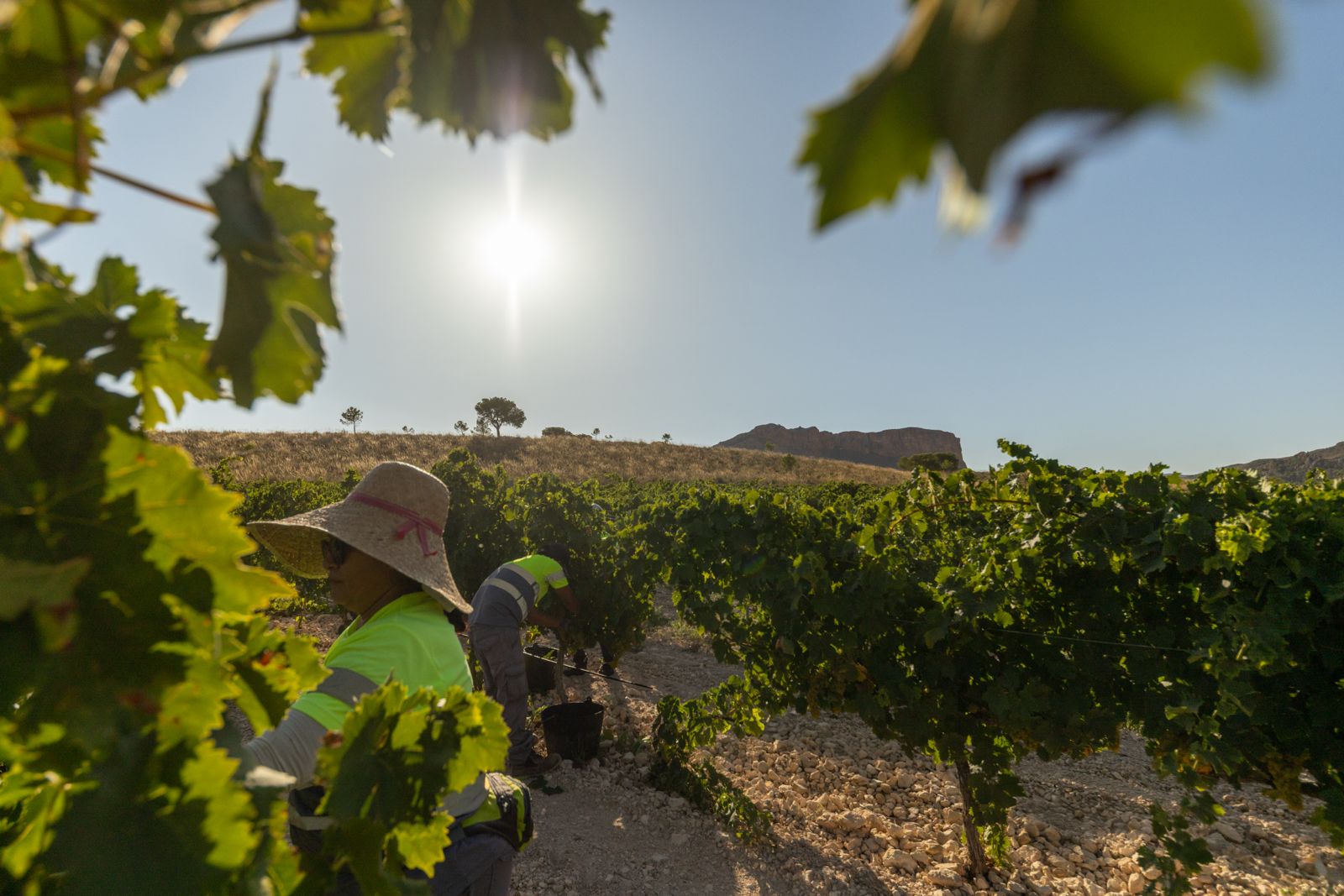
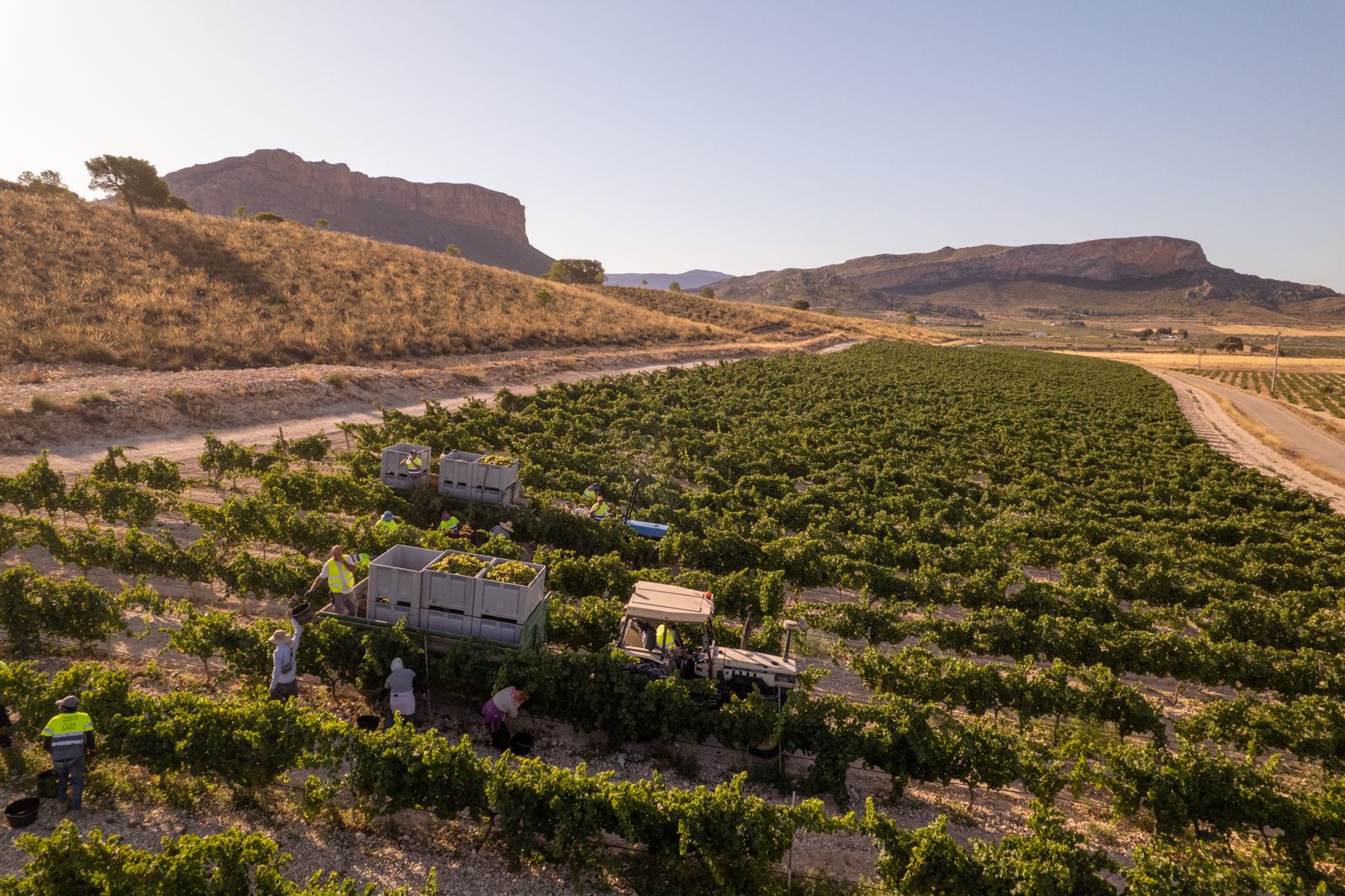
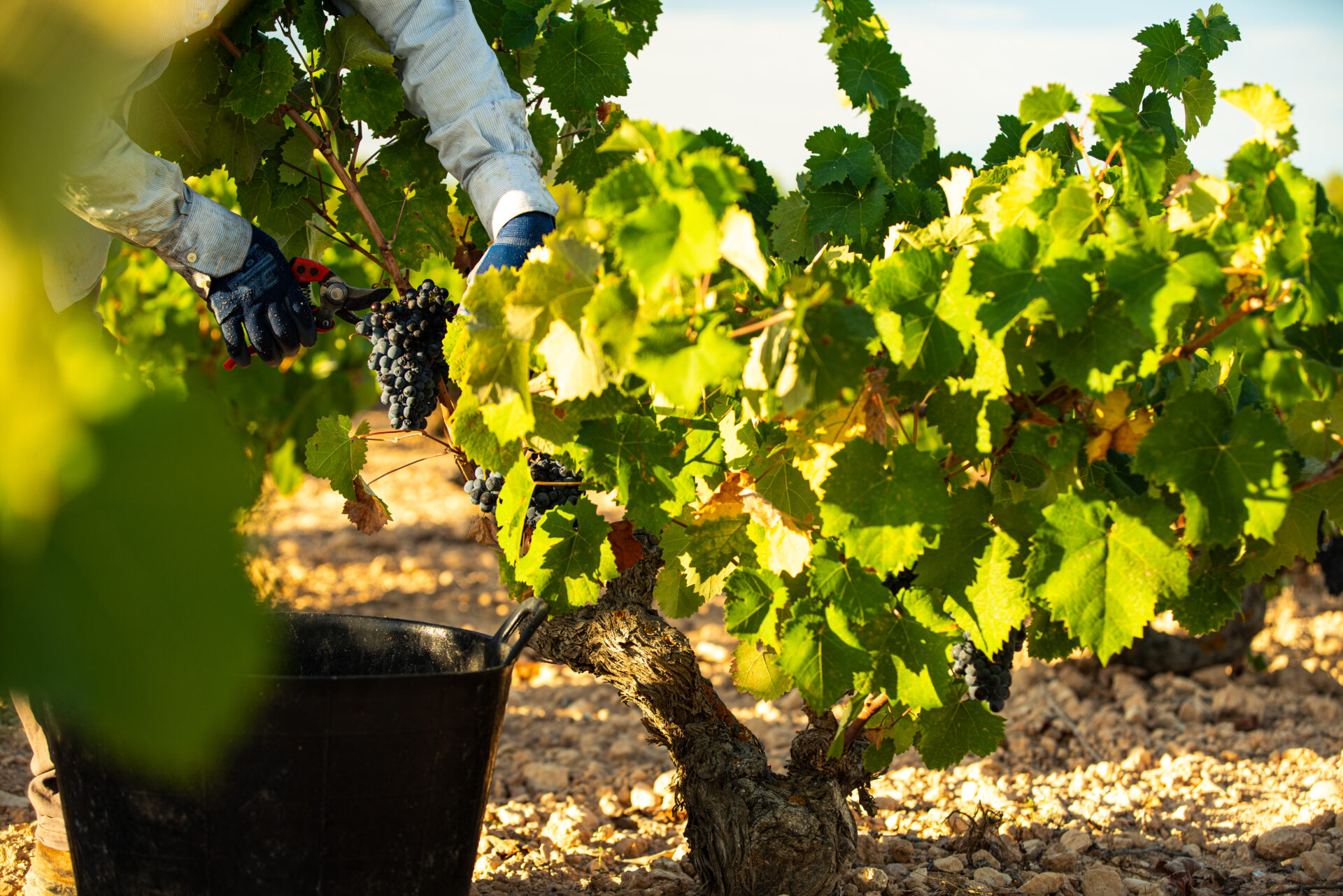
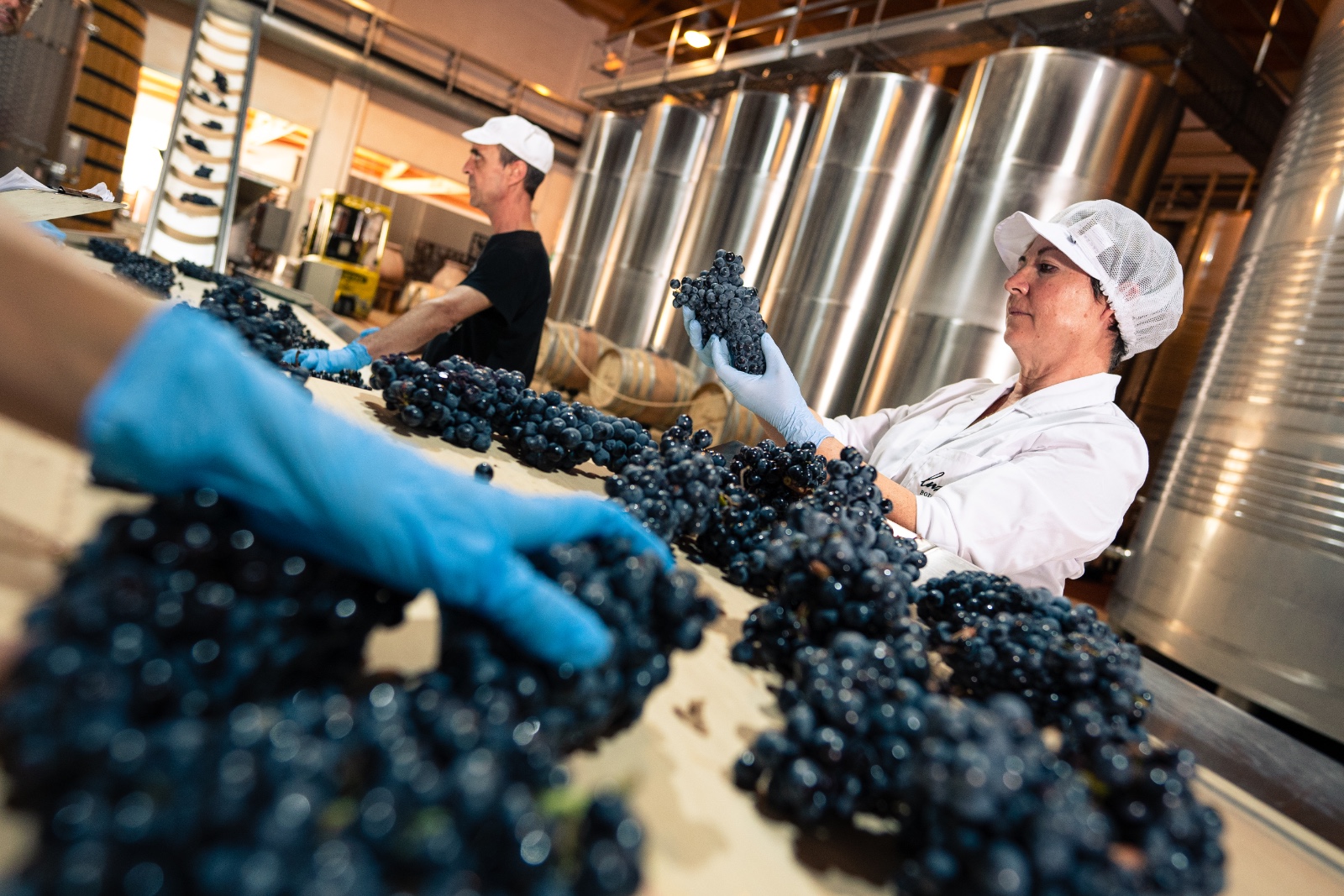
In the rest of the vineyards, the development was steady and harmonious, with a cool July allowing the vegetative cycle to proceed as normal. However, the cycle accelerated at the beginning of August with an intense heat wave that lasted for more than two weeks, with several consecutive days exceeding 40°C. This abrupt temperature’ change accelerated ripening, bringing forward the harvest across practically the entire PDO. Despite the speed, the harvest proceeded calmly and without incident. The grapes arrived at the winery in excellent condition, fully ripe and with good concentration.
There was a rather subdued sense of optimism in the area, given that average yields were once again very low, below 2,000 kg per hectare, placing this appellation among those with the lowest yields in Spain and the world.
Monastrell, which remains the most harvested variety in the Jumilla PDO, with more than 28 million kilos, has responded very well, maintaining its usual balance.
Monastrell, which remains the most harvested variety in the Jumilla PDO, with more than 28 million kilos, has responded very well, maintaining its usual balance. The white varieties had a faster harvest, practically ahead of schedule across Jumilla Designation. The Syrah, well-adapted to Jumilla soils and climate, has shown stable performance and good ripening. The Cabernet Sauvignon arrived very ripe and without any trace of pyrazines. The Garnacha Tintorera ripened early, which perhaps resulted in slightly less colour intensity, although with a very good aromatic and flavour profile.
Elena Pacheco, manager of Bodegas Viña Elena, who began her Monastrell harvest on August 20th in the Marín area, one of the southernmost in the Jumilla PDO, remembers this harvest as “a harvest that has reminded us of the essentials: being present in the vineyard, observing carefully, and deciding quickly,” and assures that “the grapes arrived at the winery in excellent condition, with full ripeness and good concentration.”
From the highest and northernmost part of the Jumilla Designation of Origin, Eloy Sánchez, manager of the Santiago Apostol Cooperative in Montealegre del Castillo, tells us, “This harvest has left us with clear impressions and a special atmosphere. Overall, these will be fruity wines, with structure, flavour, and intensity. An interesting vintage, with concentration and a character that reflects the type of summer we’ve had. It’s worth mentioning that the wines have personality and a clean, direct expression, the kind that are pleasing from the first moment.”
About the Jumilla Protected Designation of Origin
The Jumilla Protected Designation of Origin has a winemaking tradition that dates back to the remains of Vitis vinifera – along with tools and archaeological remains – found in Jumilla dating back to 3000 BC, the oldest in Europe.
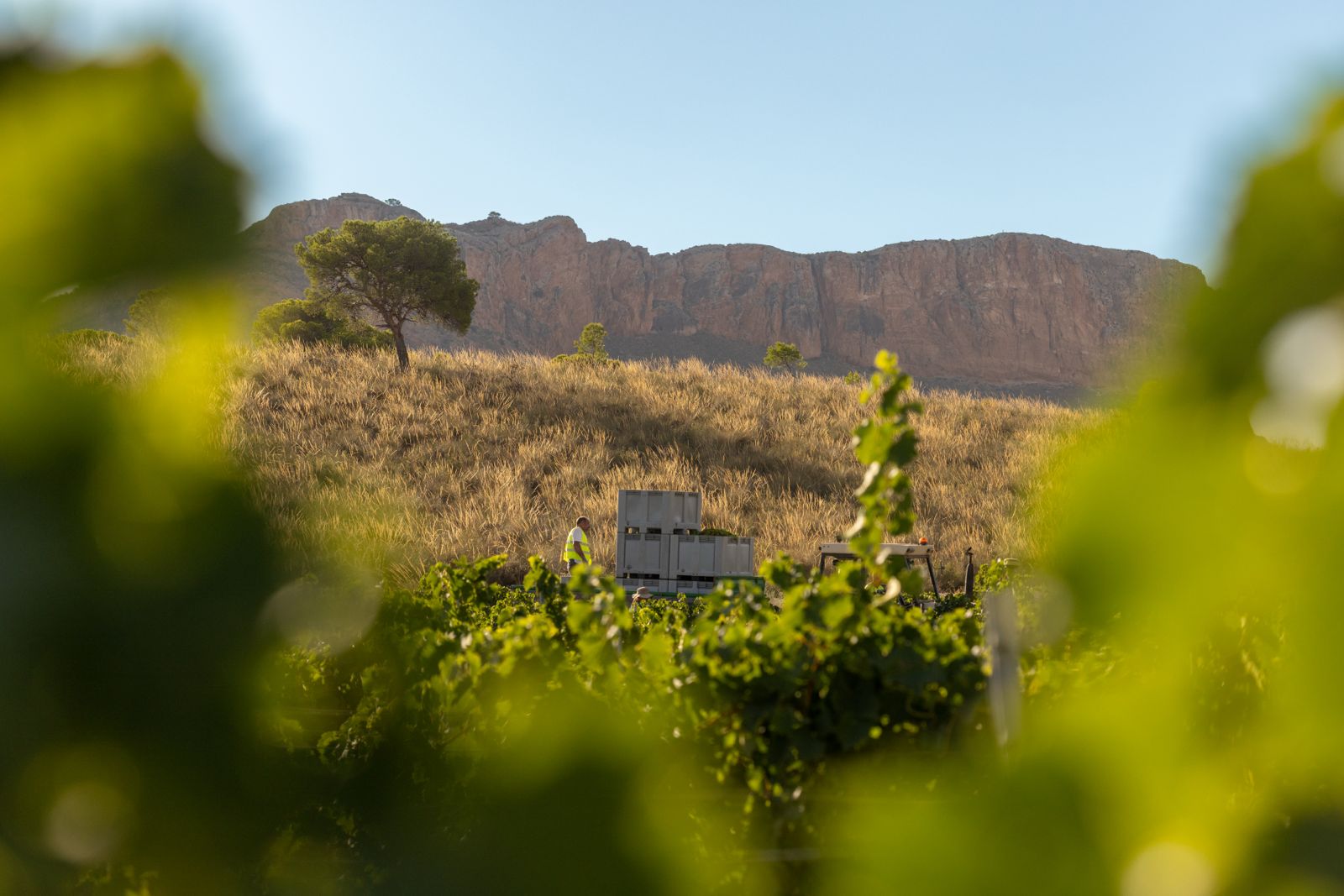
The production area, at altitudes ranging from 320 to 980 meters and crossed by mountain ranges reaching up to 1,380 meters, is bordered on one side by the southeasternmost part of the province of Albacete, including the municipalities of Hellín, Montealegre del Castillo, Fuente Álamo, Ontur, Albatana, and Tobarra; and on the other by the northern part of the province of Murcia, with the municipality of Jumilla. It comprises more than 20,000 hectares of vineyards, mostly dry-farmed and trained in the traditional bush vine system, located on predominantly limestone soils.
Old vines in the Jumilla PDO represent more than 20% of the total area, with the Monastrell variety being the most prevalent (90% of the old vines). It is estimated that a large part of these old vines are planted on their own rootstock, at least 1,000 hectares, with 89% being Monastrell, 6% Airén, and 3% Garnacha Tintorera.
The climatic characteristics, with scarce rainfall barely reaching 300 mm per year and more than 3,000 hours of sunshine, provide ideal conditions for organic farming, which is predominant in this designation of origin. More on the about us page